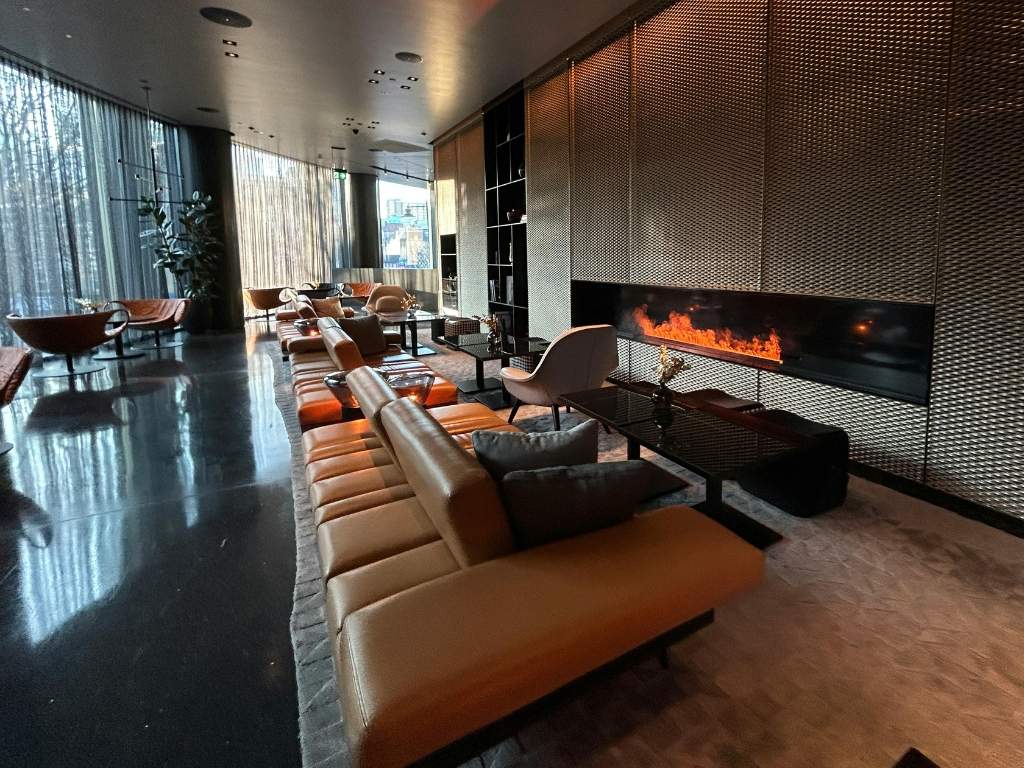
A commercial fireplace can become the centerpiece of your space. In busy environments like restaurants, hotels, offices, or multi-use buildings, it often shapes how people experience the property the moment they walk in.
But in high-traffic spaces, commercial fireplace installation is rarely as simple as choosing a design and setting a budget. It becomes a long-term operational decision that affects safety, inspections, maintenance schedules, and even how your staff uses the space daily.
Many property owners realize this only after problems show up. By then, changes are expensive and disruptive. Understanding what tends to get overlooked can help you avoid those issues from the start.
Why High-Traffic Spaces Change the Rules
High-traffic commercial environments place very different demands on a fireplace system. The volume of people, extended operating hours, and building system complexity all raise the stakes.
High-traffic spaces don’t just increase usage. They amplify risk, complexity, and operational consequences.
- Extended Daily Runtime
In busy restaurants, hotels, or office lobbies, fireplaces may run 8–12 hours a day. That level of use accelerates wear on burners, ignition systems, and controls, requiring commercial-grade components designed for continuous operation. - Higher Liability Exposure
When the public has constant access, the risk profile increases. Clearances, protective barriers, and surface temperatures must be carefully managed to reduce burn risks and potential claims. - Greater HVAC Interaction
Large buildings rely on complex HVAC systems that create pressure shifts. A fireplace must be engineered to handle negative pressure from exhaust fans, kitchen hoods, and automatic doors that open frequently. - Stricter Code Enforcement
Commercial properties face more rigorous inspections than residential settings. Fire codes, ADA compliance, ventilation standards, and emergency shutoff accessibility all carry more scrutiny. - Heavier Physical Wear
Guests lean on surfaces, children touch glass, and furniture shifts regularly. Materials must resist scratching, cracking, and discoloration under constant public interaction. - Operational Disruption Risk
If a fireplace fails in a high-traffic environment, repairs often require closing off sections of the space. Downtime directly impacts revenue and customer experience. - Increased Maintenance Demands
Continuous use means more frequent inspections and cleaning. Without built-in service access, routine maintenance can interrupt daily operations. - Crowd Heat Load Considerations
Large groups of people generate heat. In packed environments, your fireplace must be calibrated so it enhances comfort without overheating the space. - Insurance Documentation Requirements
Commercial insurers often require documented professional installation and scheduled maintenance. Incomplete records can create complications during claims. - Brand Perception Impact
In high-visibility spaces, even minor issues are noticed quickly. A malfunctioning or poorly maintained fireplace can negatively affect how guests perceive your property.
Commercial Systems Must Handle Continuous Use
One major difference between residential and commercial systems is run time. In a home, a fireplace might run a few evenings a week. In a commercial space, it may operate daily for long stretches.
Extended daily use places continuous stress on the system’s core components. Burners and ignition systems cycle more frequently, control panels and safety sensors experience constant demand, and glass enclosures and seals endure repeated heat exposure that can shorten their lifespan if not built for commercial performance.
Residential-grade components often fail early under this level of demand. Commercial-grade systems are built for repetition, heat cycling, and reliability over time.
If your fireplace will be part of daily operations, choosing commercial-rated components, reinforced materials, and systems designed for continuous use helps reduce unexpected failures and keeps your fireplace operating reliably during peak business hours.
Code Compliance Goes Beyond the Fireplace Itself
Many property owners assume code compliance is limited to the fireplace unit. In reality, compliance often involves the surrounding environment.
Inspectors may look at:
- Distance from seating and walkways
- Type of barrier or enclosure
- Floor materials near the unit
- Integration with fire suppression systems
In high-traffic spaces, public access increases scrutiny. What passes inspection in a low-occupancy area may fail in a busy one.
This is why planning a commercial fireplace installation should involve code considerations early. Waiting until after installation can force costly modifications.
Ventilation Problems Rarely Show Up Immediately
Ventilation issues are often easy to miss at first. During initial testing, the fireplace may appear to operate normally, especially when the building is quiet or systems are running at low capacity.
Problems tend to surface later, usually during cold weather, peak occupancy, or when multiple mechanical systems are running at the same time.
At that point, you may notice subtle but persistent issues such as a smoke smell without visible smoke, flames that flicker unpredictably, HVAC systems working harder than usual, or complaints about indoor air quality.
These symptoms are commonly tied to negative pressure created by exhaust fans, kitchen hoods, or large HVAC systems. Without proper coordination, the fireplace may struggle to draft correctly under real operating conditions.
Proper planning accounts for how the building actually functions throughout the day, not just how it performs during a controlled test.
Placement Affects Staff as Much as Guests
Fireplace placement is often driven by visual impact, but in high-traffic spaces, it must also support staff workflows. A design that looks great on paper can create challenges once the space is in daily use.
Poor placement can limit furniture flexibility, interfere with cleaning routines, create heat zones staff tend to avoid, or complicate emergency procedures. These issues may not be obvious during installation, but quickly become frustrating during normal operations.
For example, if maintenance access requires moving tables or closing off sections, routine service becomes disruptive. If staff must constantly navigate around the fireplace, efficiency suffers. Thoughtful placement balances visual appeal with day-to-day functionality and keeps operations running smoothly.
Materials Must Handle Public Use
In commercial environments, materials are subjected to constant public interaction. Guests lean on surfaces, furniture gets bumped into the surroundings, and glass panels are touched more often than expected.
Materials that look good but are not designed for commercial use tend to show wear quickly. Scratches, cracks, and discoloration can make a fireplace look neglected even when it still functions properly.
Commercial installations benefit from tempered or laminated safety glass, non-combustible and impact-resistant surrounds, and finishes that tolerate frequent cleaning.
Choosing materials with public use in mind helps protect the appearance of your space and reduces the need for premature repairs or replacements.
Maintenance Is an Operational Decision
Maintenance affects how your business runs. In high-traffic spaces, servicing a fireplace often requires coordination.
You may need to:
- Schedule service outside business hours
- Close off seating or common areas
- Coordinate with property management or tenants
If access panels and service points are not built into the design, routine maintenance becomes more expensive and disruptive.
A smart commercial fireplace installation considers how technicians will access the system years later. That foresight saves time and prevents operational headaches.
Fuel Choice Should Match Your Building’s Reality
Fuel selection impacts installation complexity and long-term costs. Your fuel choice should reflect how the building is used, not just how you want the fireplace to look.
Gas fireplaces are popular in commercial settings because they offer reliable heat and straightforward operation. However, they require proper gas line sizing and ongoing inspections.
Electric fireplaces reduce venting concerns and simplify installation in certain buildings. They are often used where structural changes are limited, though they may not provide the same heat output.
Wood-burning systems introduce additional challenges. Ash disposal, emissions compliance, and frequent cleaning make them less practical in busy commercial environments.
What’s the Average Cost to Install a Fireplace?
In commercial spaces, the cost varies widely based on complexity. A basic commercial fireplace installation may start around $5,000 to $15,000.
Larger or custom projects often reach $15,000 to $50,000 or more. Costs increase with structural modifications, upgraded ventilation, and architectural finishes.
High-traffic spaces often require additional safety features. Barriers, reinforced materials, and enhanced airflow systems add to the investment.
The most accurate estimates come from on-site evaluations that account for how your building actually functions.
What Property Owners Should Take Away
A fireplace can enhance your space and create a stronger experience for guests. In high-traffic environments, it must also perform safely and consistently.
A commercial fireplace installation should be planned as an operational system, not just a design upgrade. When durability, ventilation, placement, and maintenance are addressed early, the fireplace becomes an asset instead of a liability.
If you’re considering adding a fireplace to your commercial property, work with a team that understands the demands of busy spaces. Neighborhood Chimney Services provides professional evaluations, code-compliant installations, and commercial-grade solutions built for long-term performance.