A gas fireplace instantly adds comfort and style to your home. But even small installation mistakes can lead to gas leaks, poor ventilation, or costly repairs. Knowing what to avoid and how to fix common errors can save you time, money, and stress.
Whether you’re planning a new gas fireplace installation or upgrading an old one, understanding these key do’s and don’ts will help you enjoy your fireplace safely and efficiently for years to come.
1. Skipping Permits and Building Codes
Skipping building permits to save time or money might seem harmless, but it’s one of the biggest mistakes you can make.
Permits exist to ensure your gas fireplace installation meets safety standards for gas lines, venting, and clearances. Without them, you risk failing inspections, facing fines, or even voiding your insurance if something goes wrong.
Solution: Always check local permit requirements before starting. Hire a licensed professional who knows local codes and can handle inspections for you. If you skipped this step, contact your local building department to get your installation inspected and approved retroactively.
2. Choosing the Wrong Type of Fireplace
Picking the wrong fireplace can lead to poor heating, ventilation issues, or wasted energy. Some models are meant for decorative use only, while others are designed to heat large spaces. Choosing a vent-free unit in a tightly sealed home, for example, can trap moisture and reduce air quality.
Solution: Think about how you plan to use your fireplace, whether for heat, ambiance, or both. Measure your space, check BTU ratings, and ask a professional installer to recommend the right model. If you have already installed an unsuitable unit, an expert can help adjust venting or recommend a better replacement.
3. Trying to Handle the Gas Line Yourself
Working on a gas line without training is dangerous. Even a small leak can cause fires, explosions, or carbon monoxide buildup. Gas lines require precise fittings, proper pressure, and specific materials. Mistakes here can put your home at serious risk.
Solution: Always hire a licensed gas technician to install or inspect your gas line. They’ll ensure connections are tight, pressure is correct, and materials meet code. If you handled gas work yourself, have it professionally inspected and tested immediately to avoid potential hazards.
4. Poor Venting and Airflow
Incorrect venting can lead to soot buildup, weak flames, and even harmful gases inside your home. Many homeowners make the mistake of ignoring venting specifications or using the wrong pipe layout, causing inefficient airflow and unsafe exhaust release.
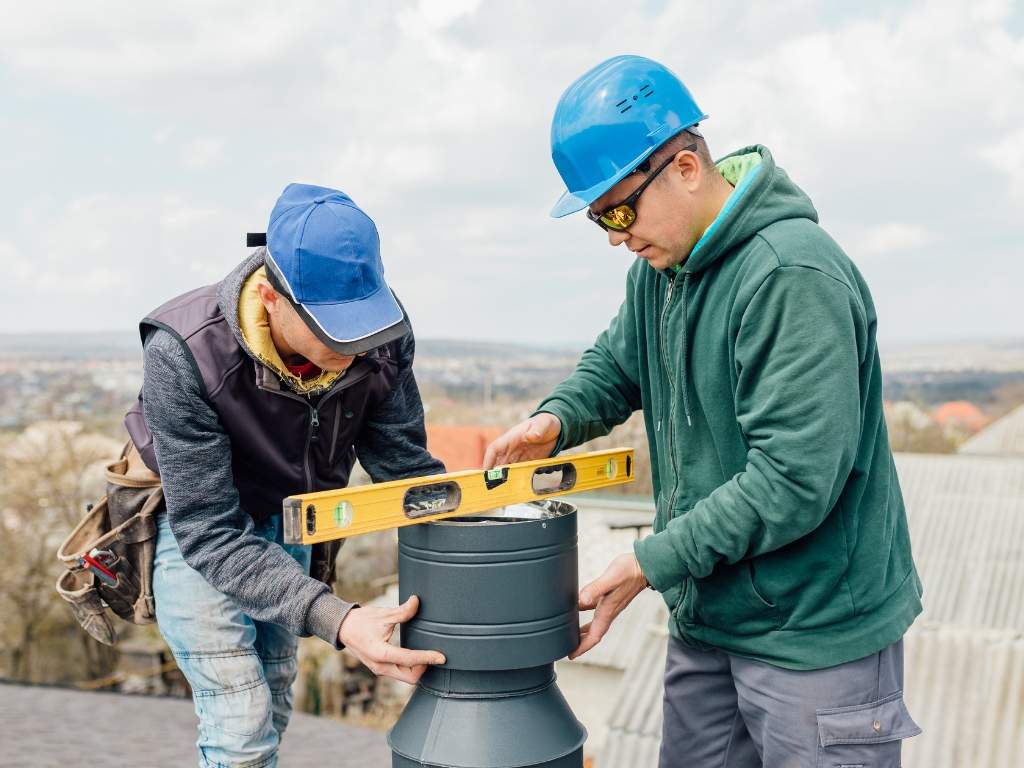
Solution: Follow the manufacturer’s venting instructions exactly and avoid unnecessary bends or long horizontal runs. Schedule annual inspections to check for clogs, corrosion, or loose connections. If your venting was done incorrectly, a certified installer can redesign or replace the system for proper airflow and safety.
5. Ignoring Clearance Requirements
Placing a fireplace too close to walls, furniture, or electronics is a common and costly error. Heat from the unit can damage nearby materials or pose a fire risk, especially when clearance guidelines aren’t followed.
Solution: Check your model’s installation guide and maintain all required clearances, usually at least 12 inches above and a few inches on each side. Use noncombustible materials and add a heat shield if mounting under a TV. If your current setup feels too close, reposition nearby items or install a deflector to direct heat away safely.
6. Forgetting About Ventilation and Fresh Air
Gas fireplaces need a steady oxygen supply for clean combustion. In modern airtight homes, there’s often not enough airflow, causing weak flames, fogged glass, or incomplete burning that releases excess moisture or carbon monoxide.
Solution: Have a professional check your air pressure and ventilation. You may need a make-up air vent or a direct-vent unit that pulls air from outside. If you already have airflow issues, upgrading to a sealed system or adding ventilation can fix the problem quickly.
7. Skipping Routine Maintenance
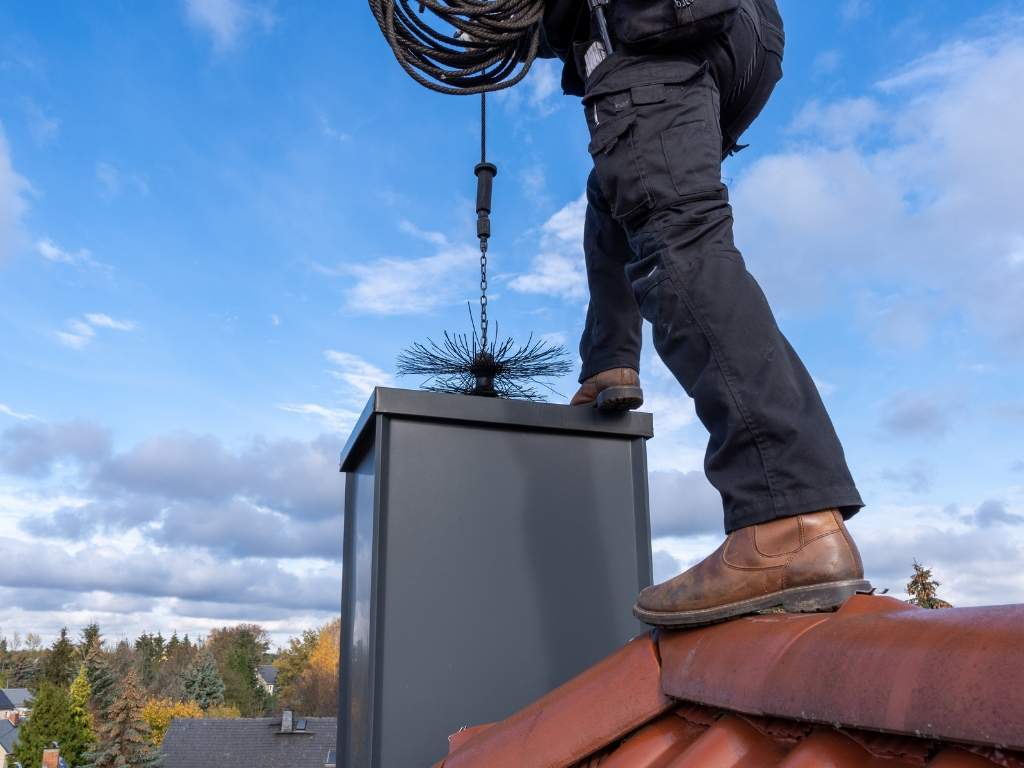
Many homeowners assume gas fireplaces don’t need maintenance. But over time, dust, soot, or debris can clog the burner and affect performance. Neglecting regular service can shorten the unit’s lifespan and increase the risk of malfunctions or gas leaks.
Solution: Schedule professional inspections once a year to ensure safe operation. Clean the glass and interior components regularly, and replace batteries in remotes or igniters as needed. If you haven’t maintained your fireplace, book a full cleaning and inspection before your next use.
8. Not Planning for Power Outages
Some gas fireplaces rely on electricity to start the ignition or power the fan. When the power goes out, those models can’t operate, leaving you without heat when you might need it most.
Solution: Choose a fireplace with a manual start or battery backup so it can run during outages. If you already have an electric-ignition model, ask your technician if a backup kit or conversion option is available.
9. Overlooking Design and Placement
Poor design or placement can make your fireplace look awkward and limit its effectiveness. Installing it off-center, too high, or with mismatched materials can throw off the room’s balance and reduce heat distribution.
Solution: Work with your installer to choose the right location and materials. Position the fireplace where it naturally draws attention and heat evenly across the room. If you’re unhappy with its current placement, adding a mantel, surround, or built-in shelving can improve both safety and aesthetics.
10. Hiring the Wrong Installer
Choosing the cheapest or least experienced installer often leads to every other mistake on this list. Gas fireplace installation involves handling gas lines, venting, and safety regulations—skills that unqualified contractors might not have.
Solution: Always hire certified professionals from organizations like the National Fireplace Institute (NFI) or Chimney Safety Institute of America (CSIA). Check credentials, read reviews, and ask for proof of insurance.
If your fireplace was installed by someone unlicensed, get a professional inspection to ensure everything meets code and safety standards.
Do It Right the First Time
A gas fireplace can completely change the look and feel of your home, but only when it’s installed the right way. Careful planning, proper permits, and certified professionals make all the difference in safety and performance. Don’t cut corners or rush the process; doing it right the first time saves you money and worry later.
Ready to add comfort and style to your home? Contact Neighborhood Chimney Services today to schedule your professional installation.