Commercial properties rely on chimneys for proper ventilation and safe operation. Over time, wear and damage can affect performance, safety, and compliance.
If you own or manage a commercial property, chimney issues can turn into bigger problems faster than you expect. What starts as a small crack, a leak, or failing mortar can lead to safety concerns, code issues, and costly repairs that affect your building’s day-to-day operation.
Understanding the scope of commercial chimney repair helps you make better decisions before the damage spreads.
What are Common Chimney Problems?
Commercial chimney problems usually build up over time rather than all at once. You may not notice them right away, but once they start affecting safety, ventilation, or building operations, the repairs often become more urgent and more expensive.
- Cracked or Deteriorating Masonry
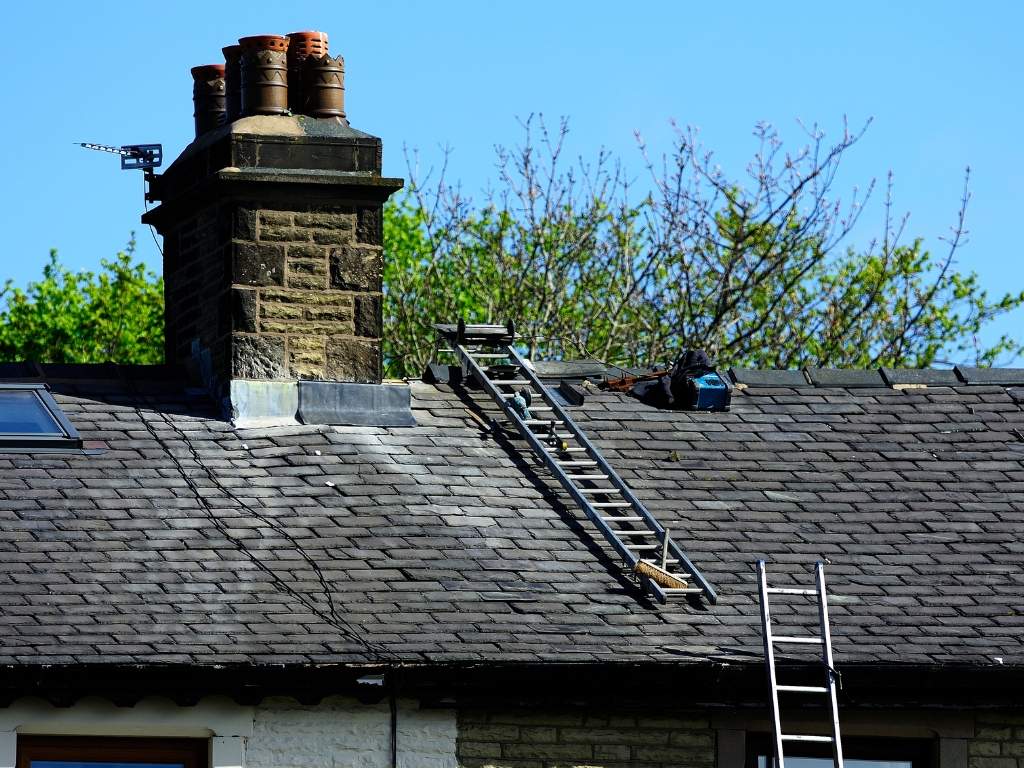
Brick and mortar take constant abuse from heat, moisture, and changing weather, so it is common for masonry to wear down over time. As mortar joints weaken and bricks begin to crack or shift, water can enter the chimney structure and speed up the damage.
The Chimney Safety Institute of America has identified water penetration as one of the main causes of chimney deterioration, which is why even small masonry issues should be taken seriously.
- Water Leaks and Moisture Damage
Water intrusion is one of the most common and costly chimney problems for commercial properties because it can affect both the chimney and nearby building materials. Once moisture gets inside, it can lead to rusted metal parts, interior stains, and mold growth in surrounding areas.
If the chimney has damaged flashing, worn sealant, or an unprotected top, leaks can develop even during light rain and continue spreading behind the scenes.
- Damaged Chimney Liners
The chimney liner helps direct heat, smoke, and harmful gases out of the building safely, so any damage to it creates a serious concern.
When the liner cracks or breaks down, heat can transfer to nearby materials and gases may leak into occupied spaces, which raises both safety and fire risks. This type of issue often needs prompt professional attention because it affects how safely the entire chimney system operates.
- Blockages and Draft Issues
Poor airflow can keep a commercial chimney from venting properly, which affects performance and creates uncomfortable or unsafe indoor conditions. Debris buildup, nests, or other obstructions can block airflow and cause smoke or odors to back up into the building.
If tenants, employees, or customers start noticing smoke, strange smells, or inconsistent system performance, draft problems may be the cause.
- Structural Instability
Structural instability is the most serious chimney issue because it points to major deterioration that can affect the safety of the building.
Signs such as a leaning chimney, separation from the structure, or visible shifting usually mean the damage has gone beyond surface-level repair. At that stage, the repair process is often more complex and may involve major reconstruction instead of a simple fix.
Minor Commercial Chimney Repairs
Minor chimney repairs focus on early-stage damage that has not yet affected the overall structure. When handled early, these services help you control costs, avoid disruptions, and prevent issues from spreading into more complex repairs.
- Tuckpointing and Mortar Repair
Tuckpointing restores the mortar between bricks so the chimney remains stable and resistant to moisture. As mortar begins to break down, water can enter the masonry and weaken the structure from the inside.
Addressing this early helps maintain structural integrity and reduces the risk of larger repairs. Many property managers schedule this every few years to extend the life of the chimney.
- Chimney Cap and Crown Repairs
The chimney cap and crown protect the top of the system, which is one of the most exposed areas. Even small cracks in the crown or a missing cap can allow water and debris to enter, leading to internal damage over time. Repairing these components early helps block moisture, reduce deterioration, and avoid more expensive repairs later.
- Flashing Repairs
Flashing creates a seal where the chimney meets the roof, and when that seal fails, leaks can develop quickly. Water can then spread into roofing materials and interior spaces, creating additional repair issues beyond the chimney itself. This is a common problem after storms, and fixing it early can prevent wider property damage.
- Cleaning and Blockage Removal
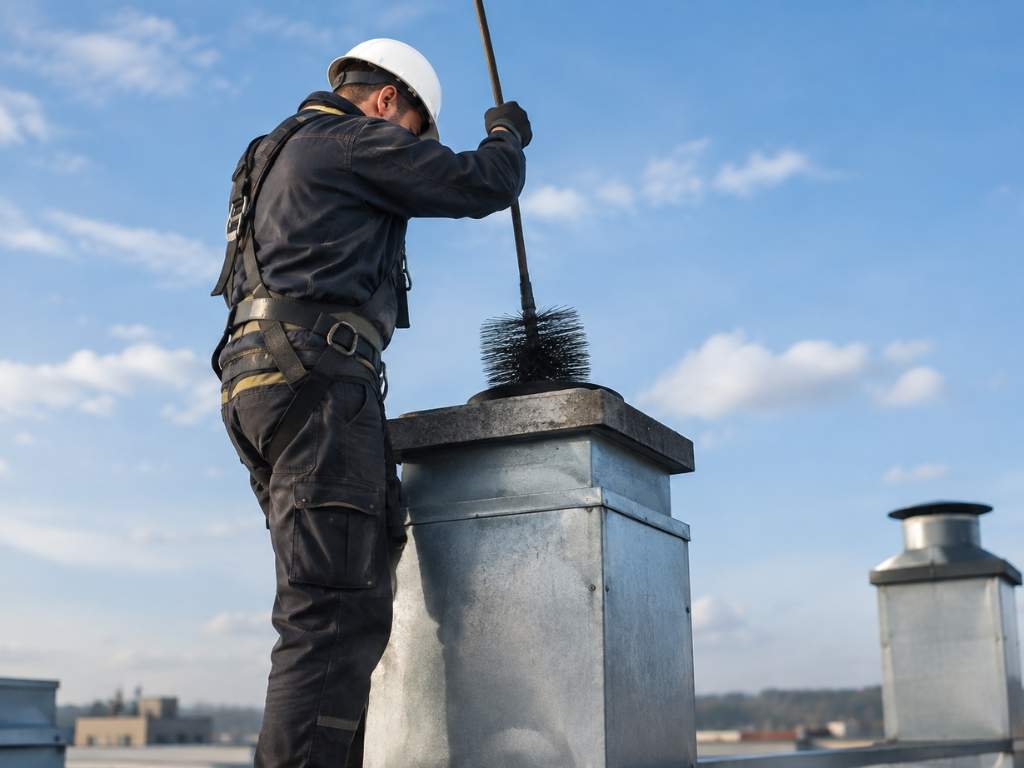
Cleaning removes debris, soot, and obstructions that affect airflow and system performance. Blockages can cause smoke backup, reduce efficiency, and increase fire risk if left untreated. Routine cleaning not only improves ventilation but also helps identify early signs of damage during the process.
- Joint Sealing and Small Crack Repairs
Small cracks in masonry or joints may seem minor, but they are often entry points for water. Sealing these areas early prevents moisture from spreading deeper into the structure. This type of repair is quick but plays a key role in protecting the chimney over time.
Mid-Level Commercial Chimney Repairs
Mid-level repairs are needed when damage has progressed beyond surface-level wear but has not yet compromised the entire structure. These services require more planning and investment, but they often prevent the need for full reconstruction.
- Chimney Liner Repair or Replacement
A damaged liner affects both safety and performance, as it controls how heat and gases move through the chimney. Cracks or deterioration can lead to heat transfer issues and gas leaks inside the building. Replacing the liner, often with stainless steel, improves durability and helps bring the system in line with current standards.
- Partial Chimney Rebuilds
When damage is limited to a specific section, a partial rebuild can restore the structure without replacing the entire chimney. This involves removing compromised materials and rebuilding that portion with new, reinforced components. It is a practical solution when the rest of the chimney remains stable.
- Waterproofing Treatments
After repairs, waterproofing helps protect the chimney from future moisture damage. Masonry absorbs water over time, which can lead to cracking and deterioration if not managed. A breathable sealant reduces water penetration while allowing trapped moisture to escape, which supports long-term durability.
- Chimney Crown Reconstruction
In some cases, the crown is too damaged for simple repair and needs to be rebuilt. A properly constructed crown directs water away from the chimney and protects the internal structure. Rebuilding it ensures better drainage and reduces the risk of repeated water issues.
- Flue System Adjustments
Some mid-level repairs involve adjusting or upgrading components within the flue system to improve performance. This may include resizing, relining, or correcting ventilation issues that affect airflow. These adjustments help improve efficiency and reduce strain on the system.
Major Commercial Chimney Repairs
Major repairs are required when the chimney has reached a point where basic fixes can no longer solve the problem. These projects focus on restoring structural stability, ensuring safety, and bringing the system up to current standards.
- Full Chimney Rebuild
A full rebuild is necessary when the chimney shows severe structural damage such as major cracking, leaning, or complete material failure. The damaged structure is removed and rebuilt from a stable point to ensure safe operation.
While this is one of the more significant investments in commercial chimney repair, it provides a long-term solution when the existing system can no longer be repaired effectively.
- Structural Reinforcement
In situations where the chimney still has a stable base, reinforcement may be used instead of a full rebuild. This process adds support through methods such as steel bracing, reinforced masonry, or anchoring the chimney to the building. It helps stop further movement and extends the life of the structure.
- Code Compliance Upgrades
Older chimneys may not meet current fire and building codes, especially if they have not been updated in years. Upgrades can include new liners, improved ventilation systems, and added safety components.
These changes are often required during renovations or inspections and help ensure the chimney meets modern safety standards.
- Complete Flue System Replacement
In some cases, the entire flue system must be replaced due to extensive damage or outdated materials. This ensures proper venting, improves system performance, and reduces long-term safety risks. It is often recommended when multiple components are failing at the same time.
- Emergency Structural Repairs
When a chimney poses an immediate safety risk, emergency repairs may be required to stabilize the structure quickly. This can include temporary supports or urgent reconstruction work to prevent collapse or further damage. Acting quickly in these situations helps protect both the building and its occupants.
How to Choose the Right Service
Understanding the condition of your chimney helps you avoid unnecessary repairs and unexpected costs. Instead of guessing, you can use clear signs and a structured approach to determine what level of commercial chimney repair your property actually needs.
- Start with a professional inspection.
The best way to identify the right commercial chimney repair is to have the system inspected by a professional. Surface damage does not always show the full problem, and an inspection can reveal issues with the liner, masonry, crown, flashing, and overall structural stability.
- Look at the type of visible damage.
Small cracks, worn mortar joints, and minor leaks often point to lower-level repairs like tuckpointing, sealing, or flashing repair. Larger cracks, missing bricks, repeated leaks, or visible deterioration usually suggest a more involved repair.
- Pay attention to performance issues.
If your chimney is not venting properly, smoke is backing up, or odors are entering the building, the problem may go beyond exterior damage. These signs often point to liner issues, blockages, or draft problems that need more than a surface-level fix.
- Consider how long the issue has been there.
A newer problem is usually easier and less expensive to repair than one that has been ignored for months or years. Long-term water intrusion or repeated freeze-thaw exposure can turn a minor issue into a structural repair.
- Check for signs of structural movement.
Leaning, separation from the building, shifting bricks, or noticeable instability are signs that the chimney may need reinforcement or even a rebuild. These issues should be addressed quickly because they affect safety.
- Think about how the chimney is used.
Commercial chimneys connected to boilers, restaurants, or high-use systems often need stronger materials and more durable repairs. Heavier use can increase wear and make certain repairs more urgent.
- Review code and compliance needs.
In some cases, the chimney may still function but no longer meet current safety or ventilation standards. If your property is being renovated, sold, or inspected, you may need upgrades such as liner replacement or ventilation improvements.
- Compare short-term fixes with long-term value.
A lower-cost repair may seem appealing now, but it may not solve the root problem. Choosing the right repair means looking at what will protect the building, reduce future issues, and give you better long-term performance.
Work With a Trusted Commercial Chimney Repair Expert
Commercial systems are more complex than residential ones. You need a team that understands structural requirements, safety codes, and business needs.
Neighborhood Chimney Services works with business owners and property managers to handle everything from minor fixes to full rebuilds.
If your chimney shows signs of damage or hasn’t been inspected recently, now is the time to act. A professional evaluation can help you avoid larger issues and keep your property operating safely.