If you manage a commercial property, chimney systems probably are not top of mind every day. But they play a direct role in fire safety, air quality, equipment performance, and whether your building stays compliant during inspections.
That is why a commercial chimney sweep does more than clean out buildup. The right service helps you catch hidden issues early, maintain proper documentation, and reduce the kind of safety and compliance risks that grow quietly over time.
Why Commercial Chimneys Deserve More Attention
Commercial chimneys deal with different conditions than residential ones. The issue is not simply size. It is usage, demand, and consequence.
A commercial chimney may vent a boiler, furnace, water heater, fireplace system, or cooking appliance. In some properties, the system works seasonally at high volume. In others, it operates almost constantly.
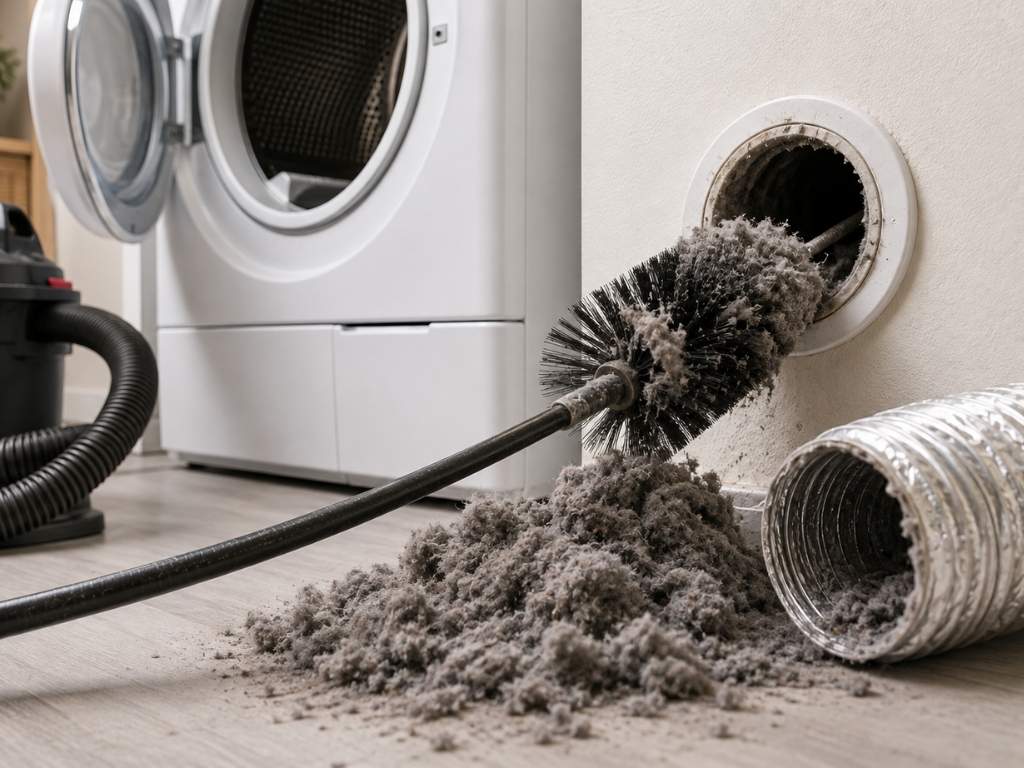
This repeated use creates more opportunity for soot, creosote, grease, debris, and moisture-related damage to build up inside the flue or venting path.
The risk grows when people assume that a chimney is fine because there are no obvious warning signs. In reality, many chimney problems develop gradually.
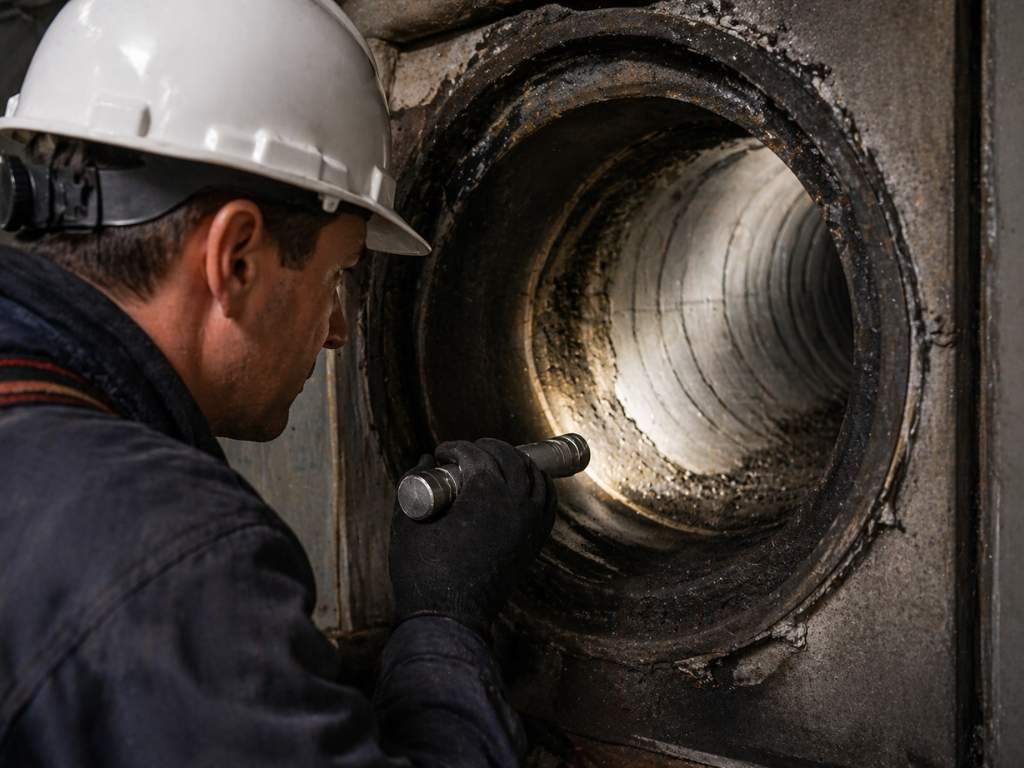
Draft weakens a little at a time. Deposits become thicker. Masonry joints begin to wear down. Liners start to deteriorate. By the time the issue becomes visible, the system may already be operating inefficiently or unsafely.
That is where experienced commercial chimney service becomes valuable. A knowledgeable provider does not just remove buildup. They understand how the chimney condition affects the larger performance and safety profile of the building.
Compliance Is Ongoing
A lot of property managers think about compliance in a reactive way. They schedule service when an inspection is coming up, when a tenant complains, or when a heating issue becomes obvious. That approach may solve an immediate problem, but it does not create a defensible maintenance record.
True code compliance is about consistency. It means the building owner can show that chimney systems are being monitored, cleaned, inspected, and maintained according to use conditions and applicable requirements.
Depending on the property, that may involve fire code expectations, mechanical code standards, manufacturer requirements, insurance obligations, and nationally recognized guidance such as NFPA standards.
This distinction matters because inspectors, insurers, and investigators do not only look at the condition of the system on one day. They also look at whether the owner followed a reasonable process to keep that system safe over time.
That is one of the biggest benefits of working with a qualified commercial chimney sweep. The right provider helps turn chimney maintenance into a documented process rather than a guesswork-driven task.
Maintenance History Matters
When a fire, smoke issue, or equipment failure happens, people immediately look at the physical cause. But after that, the focus usually shifts to records.
What was inspected? When was it cleaned? Were hazards identified? Was follow-up service recommended? Was it completed?
That is where many properties are exposed.
A building owner may believe they have been “keeping up” with maintenance, but if there is no clear documentation, that effort can be hard to prove. In practical terms, this can affect inspections, insurance claims, internal accountability, and even vendor coordination.
A good chimney maintenance program creates a paper trail that protects the property owner just as much as the service protects the system itself. It helps establish that chimney care is not being handled casually or ignored until a visible issue appears.
What a Commercial Chimney Sweep Does
Many people outside the industry think chimney sweeping is a narrow task. In commercial properties, it is much broader than that. A qualified provider helps identify performance issues, reduce fire load, support cleaner venting, and create maintenance records that help property managers stay organized and prepared.
Their value often shows up in three key areas:
- Identifying hidden buildup, blockages, and venting problems before they become emergencies
- Documenting service findings in a way that supports inspections, audits, and internal maintenance tracking
- Recommending cleaning and inspection intervals based on actual system use rather than generic assumptions
That last point is especially important. A property that vents grease-laden exhaust does not need the same service strategy as a property with a seasonal boiler. A one-size-fits-all schedule can either leave the system under-maintained or cause the owner to spend money in the wrong places. Expertise is knowing the difference.
The Safety Benefit Goes Beyond Fire Prevention
Most people immediately connect chimney maintenance with chimney fires, and that connection is valid. Creosote is combustible, and grease accumulation creates its own serious hazards. But the safety benefit of proper commercial chimney sweeping goes further than preventing ignition inside the flue.
Chimney condition also affects draft and exhaust flow. If the venting path is restricted or damaged, combustion byproducts may not move out of the building the way they should. That can contribute to smoke migration, poor indoor air conditions, equipment inefficiency, and in some cases, carbon monoxide exposure.
The Centers for Disease Control and Prevention has long emphasized that carbon monoxide is a serious safety threat because it is colorless, odorless, and capable of causing sudden illness or death at dangerous levels. In a commercial environment, that risk becomes more serious because the number of occupants is higher and the consequences extend beyond one household.
The Cost of Delayed Service
One reason chimney issues are easy to postpone is that the consequences do not always arrive as dramatic failures. More often, the first signs are operational.
You may notice higher fuel use, inconsistent heating performance, heavier residue, odor complaints, or more frequent service calls on connected equipment. These problems are easy to treat as separate issues, but in many buildings, they point back to airflow or venting problems that have not been addressed at the chimney level.
This is where property owners lose money quietly. Instead of dealing with a manageable maintenance item, they absorb repeated inefficiencies and reactive repair costs. Then, when the chimney finally does demand urgent attention, the service tends to be more disruptive and more expensive.
From a management perspective, regular chimney maintenance is often less about spending more and more and more and more about preventing waste. It gives you a chance to correct small problems before they spread into equipment wear, downtime, or failed inspections.
Signs You May Be Behind
Some warning signs are obvious, but others are easy to dismiss. Property owners and managers should pay attention when they notice patterns such as:
- Smoke backup or poor drafting
- Unusual odors near heating or venting systems
- Visible soot staining or residue around connected components
- Declining heating efficiency or recurring burner issues
- Long gaps with no documented inspection or cleaning history
These signals do not always mean the chimney is on the verge of failure. But they do suggest that the system needs closer evaluation. Waiting for a more dramatic event usually narrows your options and raises the cost of correcting the problem.
Why Your Provider Matters
A true commercial chimney professional does not walk in, brush the system, and leave behind a generic invoice. They evaluate the chimney in context. They understand the appliance it serves, the kind of exhaust it handles, the building demands placed on it, and the documentation the owner may need later.
The best commercial providers tend to bring the same mindset to every property. They focus on:
- Matching service intervals to actual usage and risk level
- Reporting findings clearly so owners can make informed decisions
- Flagging developing issues early enough for planned repairs instead of emergency response
That kind of guidance adds value because it helps property managers make better decisions long before a problem becomes urgent.
How Neighborhood Chimney Services Helps
For a company like Neighborhood Chimney Services, the goal should not be to position chimney sweeping as a routine commodity. The stronger message is that commercial chimney care supports a safer building, a better inspection posture, and a more controlled maintenance program.
That is what property owners and managers actually need. They do not need vague reassurance. They need a provider who understands that chimney systems affect fire safety, documentation, equipment performance, and liability exposure all at once.
When that work is handled by an experienced commercial chimney sweep, the property owner gets more than maintenance. They get insight, records, and a clearer strategy for protecting the building.