Most homeowners clean the lint trap after every dryer load and assume their dryer is safe. While that habit helps, it does not fully protect your home from dryer vent problems.
Lint still travels through the vent system every time you run your dryer. Over time, buildup inside the vent line can restrict airflow, force your dryer to work harder, and create serious fire hazards.
The problem is that many homeowners believe common myths about dryer vent maintenance. These misconceptions often delay professional dryer vent cleaning until expensive damage or dangerous conditions appear.
Understanding the truth behind these myths can help you improve safety, reduce energy waste, and extend the life of your dryer.
Why Dryer Vent Safety Deserves More Attention
Dryer vents are designed to move hot air, moisture, and lint outside your home. When airflow becomes restricted, heat starts building up inside the system. That combination of heat and lint creates a dangerous situation that many homeowners never notice until it becomes serious.
According to the U.S. Fire Administration, nearly 2,900 home clothes dryer fires are reported every year in the United States. These fires cause an estimated 5 deaths, 100 injuries, and $35 million in property damage annually. Failure to clean dryers is the leading cause of these fires.
Many homeowners rarely think about the vent system hidden behind walls or ceilings. Since the vent is out of sight, it often becomes out of mind.
That is why professional dryer vent cleaning plays an important role in routine home maintenance.
Myth #1 — Cleaning the Lint Trap Is Enough
Cleaning the lint trap after every load is important, but it only captures part of the lint created during drying cycles.
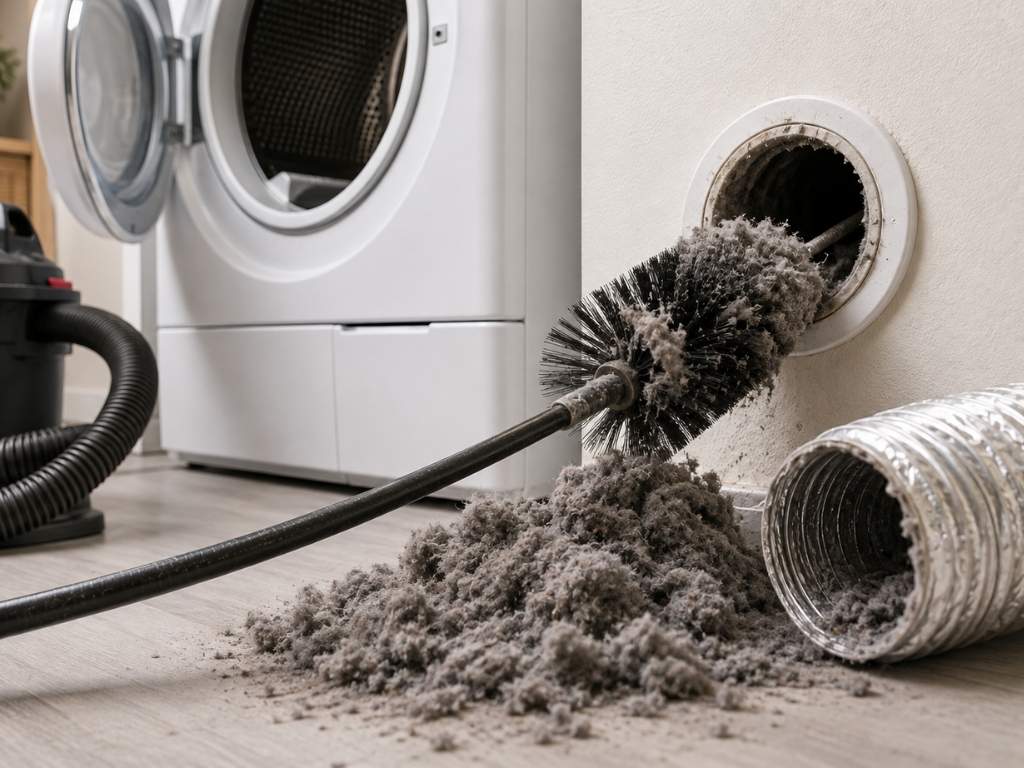
Small lint particles continue moving through the vent system every time the dryer runs. Over months or years, that lint starts collecting inside the ductwork. Areas with bends, long vent runs, or poor airflow collect buildup even faster.
Many homeowners are surprised when professional dryer vent cleaning reveals large lint blockages hidden deep inside the vent line.
Some warning signs include:
- Clothes are taking longer to dry
- Excess heat around the dryer
- A burning smell during operation
- Increased humidity in the laundry room
If you notice these problems, the vent system may already have restricted airflow.
Myth #2 — New Dryers Don’t Need Professional Dryer Vent Cleaning
A newer dryer does not eliminate the need for maintenance. Even brand-new dryers produce lint immediately, and some newer homes may actually have poorly designed vent systems that create airflow problems from the start.
Issues such as crushed flexible ducts, excessively long vent runs, sharp turns in the vent line, or improper vent materials can all reduce airflow and increase lint buildup.
Many homeowners assume their dryer is functioning properly simply because the appliance is new, but hidden restrictions may already be developing behind the walls.
Professional dryer vent cleaning goes beyond removing lint from the line. It also includes inspecting the vent system itself to identify installation problems before they turn into larger safety hazards or expensive repairs.
Myth #3 — DIY Kits Work Just as Well as Professional Dryer Vent Cleaning
DIY dryer vent cleaning kits are widely available, but they often provide only surface-level cleaning.
Most homeowners cannot fully reach deep clogs or inspect hidden sections of ductwork on their own. In some cases, improper cleaning methods can even damage the vent system or push lint farther into the line.
Professional dryer vent cleaning services use specialized equipment designed to clean the entire system thoroughly while also checking for hidden issues such as vent disconnections, crushed ducts, bird nests, moisture buildup, and airflow restrictions.
Another major advantage of professional service is airflow testing, which helps confirm the dryer is venting properly after cleaning is complete.
While DIY cleaning may remove visible lint near the dryer, it often misses the deeper problems that continue affecting performance, efficiency, and safety.
Myth #4 — Short Dryer Vents Never Get Clogged
Some homeowners believe shorter vent systems are maintenance-free. That assumption can still create problems.
Even short dryer vents collect lint over time. Pet hair, dust, and moisture can accelerate buildup much faster than expected.
Vent bends also trap lint more easily. A short vent with multiple turns may actually collect debris faster than a longer straight vent.
Households that run multiple dryer loads every week face even higher buildup risks.
Large families, pet owners, and busy households often need more frequent professional dryer vent cleaning because their systems handle heavier use.
The length of the vent matters less than the overall airflow and maintenance schedule.
Myth #5 — Professional Dryer Vent Cleaning Is Only Necessary If There’s a Problem
One of the most dangerous myths is waiting until obvious symptoms appear.
Dryer vents often develop restricted airflow gradually. By the time clothes stop drying properly or burning smells appear, the buildup may already be severe.
Preventive maintenance helps catch issues early before they become safety hazards or expensive repairs.
Common warning signs include:
- Drying cycles are taking longer
- The dryer is feeling unusually hot
- Burning odors
- Excess lint around the dryer
- The dryer shuts off unexpectedly
Professional dryer vent cleaning is not only about fire prevention. It also helps your dryer operate more efficiently while reducing wear on the appliance.
What Happens During Professional Dryer Vent Cleaning?
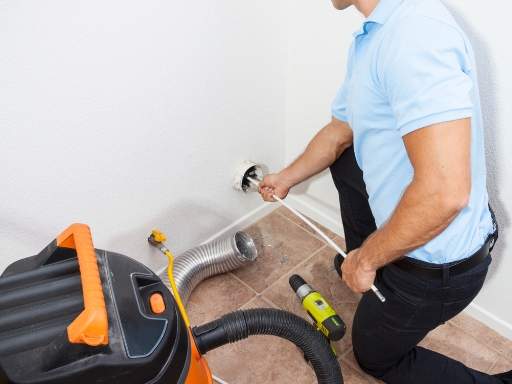
Many homeowners avoid scheduling service because they are unsure what the process involves. A professional dryer vent cleaning appointment usually begins with a full inspection of the vent system. Technicians check airflow, inspect the vent line, and look for hidden blockages or damage.
Next comes the cleaning process itself. Professional equipment removes lint buildup throughout the entire vent line using:
- Rotary brush systems
- High-powered vacuums
- Airflow cleaning tools
Technicians may also identify additional problems such as disconnected ducts, crushed vent lines, or improper vent materials.
After cleaning, airflow testing helps confirm the system is operating correctly. This full-service approach provides far more protection than simple DIY maintenance.
How Often Should You Schedule Professional Dryer Vent Cleaning?
The right cleaning schedule depends on how often the dryer is used. For most households, professional dryer vent cleaning once per year is recommended. However, some homes may require more frequent service, including:
- Large families
- Homes with pets
- Heavy laundry use
- Commercial properties
- Multi-unit buildings
Pet owners should pay particular attention to dryer maintenance. Fur mixes with lint and creates denser blockages that restrict airflow faster.
If you notice performance changes between cleanings, do not wait for the annual appointment.
Protect Your Home by Ignoring These Common Myths
Dryer vent problems often stay hidden until they become serious safety hazards. Cleaning the lint trap alone is not enough, and even newer dryers can develop dangerous lint buildup over time. Professional dryer vent cleaning helps improve fire safety, dryer efficiency, indoor air quality, energy savings, and the lifespan of your appliance.
If your dryer is taking longer to dry clothes or producing excess heat, it may be time for an inspection. Neighborhood Chimney Services provides professional dryer vent cleaning to help keep your home safe and your dryer running efficiently. Contact our team today to schedule your service.